Showing posts with label Topic 8: Sustainability. Show all posts

Sunday, November 11, 2018

8.4: Sustainable innovation

8.4
Sustainable innovation
Essential idea: Sustainable innovation facilitates the diffusion of sustainable products and solutions into the marketplace.

Sustainable innovation yields both bottom line and top line returns as developing products, services and systems that are environmentally friendly lowers costs through reducing the resources required. Designers should view compliance with government legislation as an opportunity for sustainable innovation.

Complexity and timescale of sustainable innovation
Manufacturers and governments have difficulty in achieving close relationships due to differing understandings of the concepts of sustainability and the timescales necessary for its achievement and maintenance.

Complexity: Sustainable innovation relies on cooperation between different stakeholders such as the government and manufacturers. It is a complicated/ intricate process that takes a long time to implement. 

  • 3 P's - people, planet, profit
  • Environmental considerations
  • Stakeholders 
  • Environmental footprint


Timescale: The huge timescale means that sustainability is difficult to maintain as conditions/criteria can change significantly, for example, a lengthy period of economic downturn. Sustainable innovation is a hugely complex concept that requires a long time for implementation (depending on the nature of innovation).


Image result for top down strategy
Top-down and bottom-up strategies
Top-down strategies
Different strategies for innovation: top-down

  1. Strategies are implemented from the 'top' such as global or national government initiatives.
  2. Management of resources, finances, higher ups
  3. It provides targets and measures for sustainability
  4. When considering sustainable innovation, designers are usually more comfortable with top-down strategies as it means investment and resources are more predictable and reliable
    1. eg. government legislation for environmental impact margins
At its most basic, this is the breaking down og a system into component parts. From a corporate strategy perspective, a top-down strategy means that the leadership level will determine the goals and how much each department or individual employees will contribute to meet those goals. 
  • designers are more comfortable with top-down strategies as it means investment and resources are more predictable and reliable.
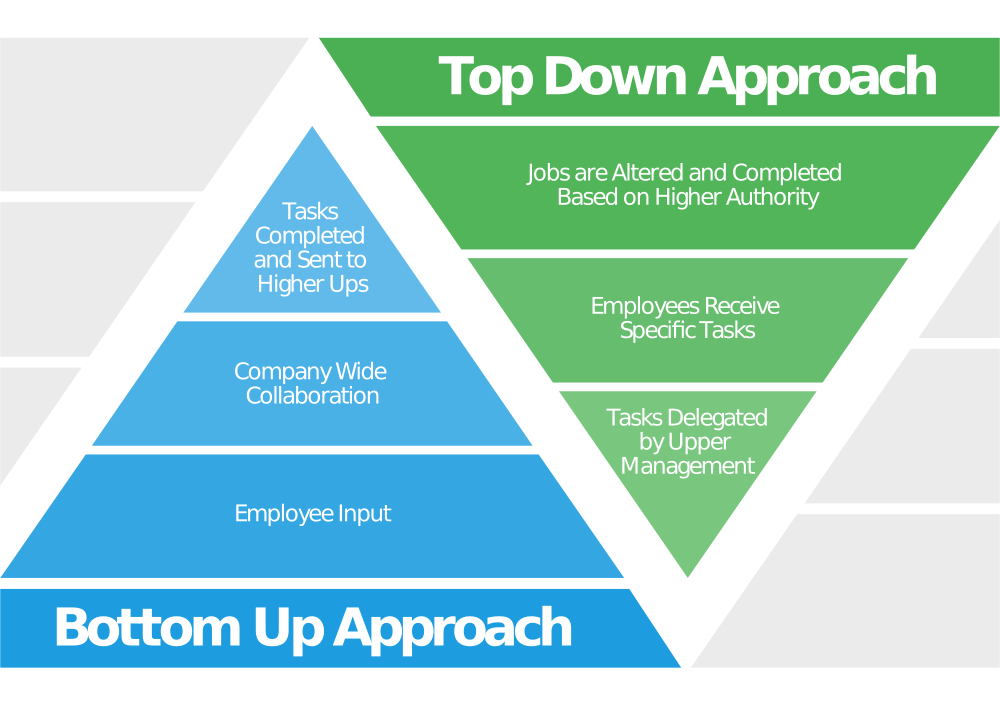
Top Down vs Bottom Up Approach
Difference between top-down and bottom-up

Bottom-up strategies
Different strategies for innovation: bottom-up


  1. Strategies implemented from the 'bottom' such as regional or local (city or town level)
  2. Designers involved with bottom-up strategies are usually enthusiasts for the project and willing to make a commitment even though it may not be cost effective to do so.
At its most basic, this is the piecing together of components or systems in order to give rise to a more complex system or product.  From a corporate strategy perspectives, a bottom up strategy methodology means that the leadership level will determine the overall goals, but the workforce will assist in developing the mechanisms and ideas to meet that goal;

  • regional/ town level local initiatives
  • generally enthusiasts for the projects
  • changing of associated policies and changing political scene may lead to issues.


Government intervention in innovation

  • Regulation
Setting and policing rules to avoid or limit environmental issues caused by undesirable technologies. For example, Renewable Energy Law relates to the issues of development and implementation of renewable resources.
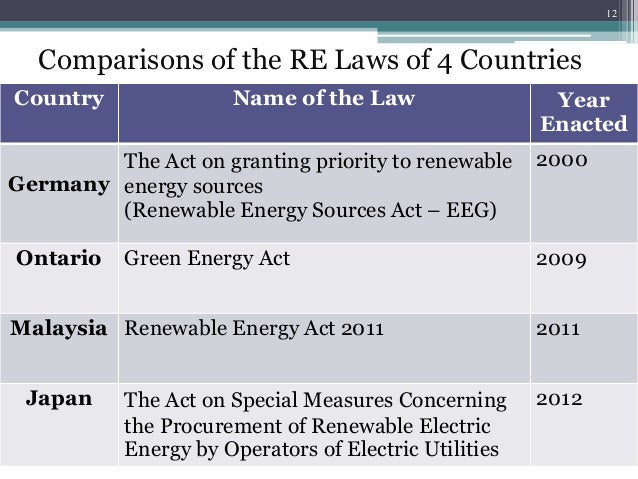
Image result for renewable energy law
Renewable energy law
Image result for renewable energy law
Philippines Renewable Energy law


  • Education
Providing consumers with information and guidance in the choice of products and services that are more sustainable.
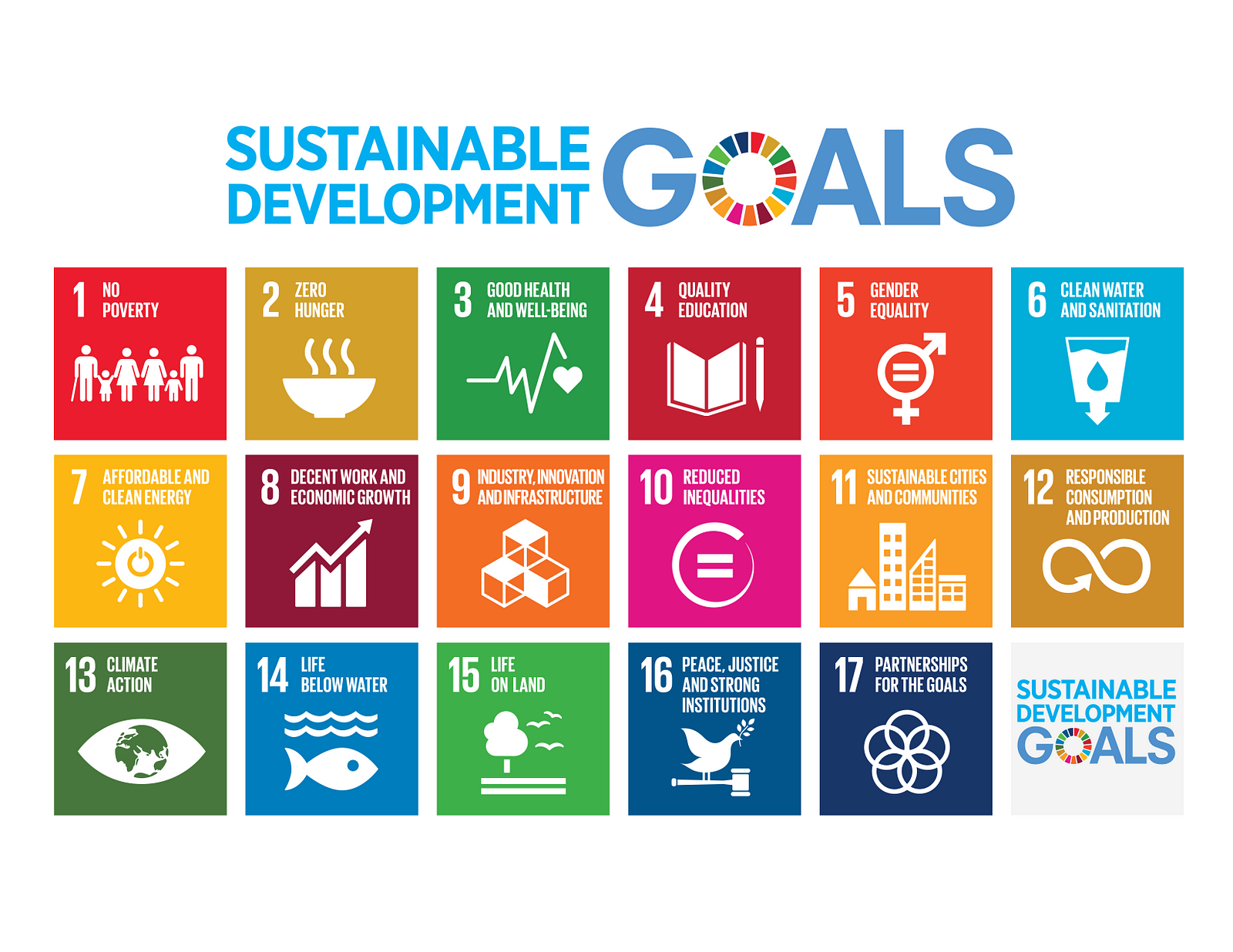
Image result for education about sustainable products
Schools embrace the SDGs

Image result for green product ads

  • Taxes
To penalize environmentally damaging technologies and influence consumer choice of sustainable products and services.


  • Subsidies
To stimulate and support sustainable innovations. Sustainable innovation can cast the company profits so governments offer financial help or tax breaks.

Image result for united states environmental protection agency
The US Environmental Protection Agency


Macro energy sustainability
Macro energy sustainability focuses on how a nation utlizes energy in a sustainable manner. 

  • May be influenced through international treaties and energy policies, instruments for change and disincentives, and national systems changing policies when government leadership changes.
  • Macro-sustainability is the area of sustainable development that focuses on how a nation, region or the entire world would establish large scale behaviours for sustainability; the Kyoto Protocol would fall into this category.
EXAMPLE: KYOTO PROTOCOL
Image result for kyoto protocolImage result for kyoto protocol


Micro energy sustainability
Micro energy sustainability focuses on local initiatives. It can be influenced by the role of the government in raising awareness and changing attitudes, and promotion of the individual and business action towards energy sustainability. Micro energy sustainability can be influenced by;

  • the government raising awareness and changing attitudes
  • promotion of the individual and business action 
  • local governments
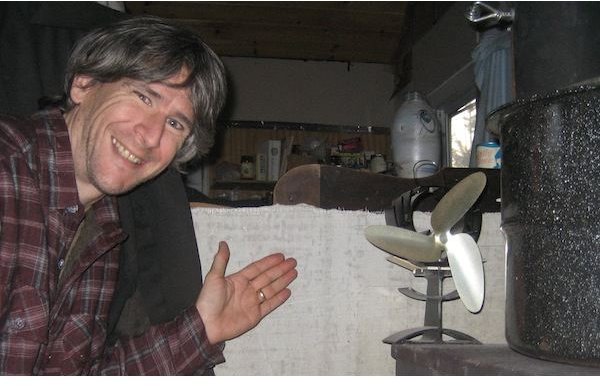
  • CHP - combined heat and power
Image result for micro energy sustainability
Combined heat and power (Microgeneration Technologies)

Related image

Energy security
Energy security can be influenced by energy demand/supply trends and forecasting, demand response versus energy efficiency, and smart grids.

Energy security is the association between national security and the availability of natural resources for energy consumption. Access to cheap energy has become essential to the functioning of modern economies. However, the uneven distribution of energy supplies among countries has lead to significant vulnerabilities.


Image result for energy security
EU energy security


  • Interdependence on countries for energy
  • Some countries have more natural resources than others.
  • Energy demand:
    • The flow of energy over the course of a certain period of time is rarely constant
    • there are particular periods during the night where energy use is at a minimum.
    • It is important to target and predict energy patterns because overconsumption of natural resources lead to a deficit of sources for energy.
    • Energy cannot easily be stored = energy wastage
    • Demand and supply trends need to be predicted carefully.
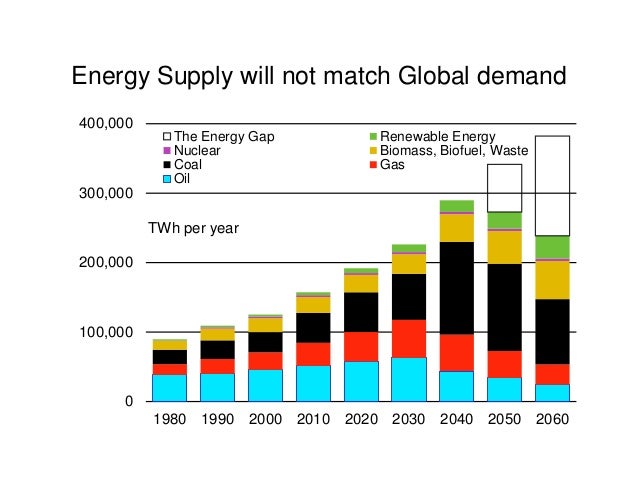
Image result for energy security and demandImage result for energy security and demand

Smart grid
A smart grid is a modernized electrical grid that uses analogue or digital information and communications technology to gather and act on information, such as information about the behaviors of suppliers and consumers, in an automated fashion to improve the efficiency, reliability, economics, and sustainability of the production and distribution of electricity.

Image result for energy smart grid

Sunday, November 4, 2018

8.3: Sustainable Design

8.3
Sustainable Design
Essential idea: Sustainable design is a philosophy of developing products in line with social, economic, and ecological sustainability principles.

Green design versus sustainable design

  • Green design (short scale) : designing in a way that takes account of the environmental impact of the product throughout its life.
    • Products that have little or no affect on the environment
    • Cradle to grave approach
    • Shorter (than sustainable design) therefore easier and cheaper to address environmental concerns in products
    • Incremental idea generating techniques are feasible as possibly only small changes need to be made

  • Sustainable design (long scale): the philosophy of designing physical objects, the built environment, and services to comply with the principles of social, economic, and ecological sustainability,
    • Deals with TBL (triple bottom line) sustainability, economic, environmental and social
    • Cradle to cradle (life to a new life)
    • Longer timescale which can affect the R&D stage of the design process, and increases costs.
    • Idea generating techniques are more radical to re-think the nature of the product and how it works


Datschefski's five principles of sustainable design: cyclic, solar, safe, efficient, social
thm

He came up with 5 principles as a holistic approach to sustainable design, but not all five principles will apply to all products.


Principles of sustainable design
  • Cyclic – The product could not only be made from recyclable materials but is also  compostable, of organic materials or from minerals that are recycled in a continuous loop such as bio plastics.
  • Solar – The energy (both embedded and in use) the product requires comes form only renewable energy sources that is cyclic and safe.
  • Safe – By-products products of the that are emitted into the environment (air, land & water) and ’space’ are non-hazardous, i.e. non polluting. The by-products are “food” for other systems. Hydrogen fuel celled cars’ by-product when in use is H2O.
  • Efficient – Requiring 90% less energy, materials and water than equivalent products in 1990.
  • Social – The products manufacture and usage should underpin basic human rights, safe work practises, fair trade principles and natural justice.


Sunday, October 14, 2018

8.2: Sustainable Consumption

8.2
Sustainable Consumption
Essential idea: Sustainable consumption focuses on reducing the use of resources in a product to minimize its environmental impact.

Designers develop products, services and systems that satisfy basic needs and improve quality of life. To meet sustainable consumption requirements, they must also minimize the use of natural resources, toxic materials and waste, and reduce emissions of pollutants at all stages of the life cycle.


It is not only the role of designers to create markets for sustainable products. Consumers need to change their habits and express a want and need for these products.

Consumer Attitudes and Behaviours
Consumer attitudes and behaviours towards sustainability can be classified into 4 groups:


  • Eco-warriors
Related image
Actively demonstrate on environmental issues; is an individual who cares about our environment and the diversity of life forms so much that they want to take action. An eco-warrior can be someone such as non-confrontational as a tree sitter or someone who engages in direct action, ranging anywhere from planting tree spikes into trees on public lands, to keep the lumber industry from cutting them down, to sit-ins which occupy a corporate office.
  • Eco-champions
Image result for eco champion dt
Individuals or groups that champion environmental issues within organizations; attempt to introduce or create change in a product, process, or method that takes into account green or environmental issues; is a person who fights or argues for a cause.
  • Eco-fans
Image result for eco-fan person
Individuals or groups that champion environmental issues within organizations. They enthusiastically adopt environmentally friendly practices as consumers, an eco-fan will usually buy anything that is environmentally friendly and will never buy a harmful product.
  • Eco-phobes
Actively resent talk of environmental protection; people who are against helping the environment and purposely go against ecological movements. They believe that the environmental problems are irrelevant to their lives or are blown out of proportion.


Eco-labelling and energy labelling schemes
Designers need to be aware of the criteria for different labelling schemes in order to design products that satisfy the criteria. Many eco- and energy labelling schemes have similarities, and international standardisation makes it easier for consumers to understand their meaning and compare products from different contexts.

Labels help consumers make informed choices and will go to benefit the environment.


  • The European eco-label believes in sustainable development. They are based on the vision of greening non-food products all over Europe. The eco-label ‘norms’ are decided by the European Union Eco-labeling (EUEB).
  • In Australia, Good Environmental Choice Australia (GECA)is committed to credible product information for sustainable development. It is the only environmental labeling program in Australia which indicates the environmental performance of a product during its complete life cycle.
  • In the United States there is an eco label named Energy stars, which is a joint program of the U.S. Environmental Protection Agency and the U.S. Department of Energy that promotes energy efficient products and practices. The Nutriclean label means that products are tested

Creating a Market for Sustainable Products
Many shoppers want green products, but retailers and brand marketers are losing green scales at several key points along the path to a purchase. the largest opportunities to capture shoppers interested in green products involve building awareness, educating shoppers, making green products easier to find and recognise, enhancing in-store communications and inspiring shoppers at the store shelf. Ultimately it is the consumer's choice as to which products they will buy (often based on price alone).


  • pricing considerations: ensuring the products proved value-for-money to the customer
Image result for led vs incandescent
  • long term costs: having products that have long term considerations such as house insulation: it will save energy in the long run because people won't have to continuously pay for heating systems and it saves money for them as well
Image result for recycled home insulation
  • stimulating demand for green products: convincing consumers that green products are of better quality and better towards the environment
Related image
  • education: consumers need to be aware of the impact of poor environmental choices and how green products could reduct environmental impact.

Image result for why green products

Pressure groups

An NGO that influences pressure on the government to achieve changes in legal polices. They are not a market segment but they can influence the market and product cycle. These pressure groups are able to exert considerable influence to press for changes on these issues and to support or undermine the development of specific technologies, for example; GM food production. 

ADVANTAGES OF PRESSURE GROUPS:

  1. keep governments more responsive to the wishes of the community, especially in elections.
  2. able to express the views of minority groups in the community who might not otherwise receive a hearing.
DISADVANTAGES OF PRESSURE GROUPS
  1. some pressure groups are just the voices of one person
  2. some may be powerful but does not reflect the opinions of their organization's members
Lifestyle and ethical consumerism
Ethical Consumerism: The practice of consciously purchasing products and services produced in a way that minimises social and environmental damage, while avoiding those that have a negative impact on society and the environment.


Lifestyle Consumerism: A social and economic order and ideology that encourages the acquisition of goods and services in ever greater amounts.


  • Ethical consumerism: 
    • buying products not harmful to the environment and society
    • ethically produced products
    • example. fair trade coffee (appropriate wages given to farmers, farmers have not been exploited into harvesting coffee)

Image result for fairtrade coffee

  • Lifestyle consumerism:
    • includes customer behaviours
    • lifestyle is a way to segment people into groups based on three things :opinions, attitudes, and activities

Implications of "take back" legislation
Take back legislation puts the impetus on manufacturers to deal with the product or waste at the end of its lifecycle. This can mean providing opportunities for recycling and collection, providing information to the consumer about disposal or directly dealing with the obsolete product.


Image result for landfilling
LANDFILLS as a disposal site for most modern day products

Take back legislation is the legislation that holds manufacturers responsible for the environmentally safe recycling or disposal of their end-of-life products. They are expected to provide a financial and/or physical plan to ensure that such products are collected and processed.

  • extended producer responsibility encourages designers to reduce 'design for the dump' products - Moore's Law
  • eg making computers without PVC or toxic flame retardants; products that are designing to last
Implications on the design cycle
  1. Designers
    1. must consider the recyclability or re-use of materials
    2. consider the design for disassembly
    3. work within the cost constraints of the manufacturer
  2. Manufacturers
    1. must consider added costs
    2. must have an interest in design for disassembly and recyclability
    3. consider manufacturing techniques and material selection
    4. must develop collection systems for their products
  3. Consumers
    1. extra costs may be passed on to consumers
    2. must be responsible for returning the product(s)

8.1: Sustainable Development

8.1 
Sustainable Development
Essential idea: Sustainable development is concerned with satisfying human needs for resources now and in the future without compromising the carrying capacity of the planet.

Designers utilize design approaches that support sustainable development across a variety of contexts. A holistic and systematic approach is needed at all stages of design development to satisfy all stakeholders. In order to develop sustainable products, designers must balance aesthetic, cost, social, cultural, energy, material, health and usability considerations.

Triple bottom line sustainability does not only focus on the profitability of an organization or product, but also the environmental and social benefit it can bring. 


  • Sustainability is the long-term maintenance of responsibility, which has environmental, economic and social dimensions. It is the capacity to endure and maintain.
  • Sustainable Development meets the needs of the present without compromising the ability of future generations to meet their own needs.


Triple Bottom Line
The concept of the triple bottom line means that business success is no longer defined only by monetary gain but also by the impact an organization's activities have on society as a whole - Environmental, Economic, and Social.
Figure 6

  1. Social - Social sustainability is designing to develop goods and services for the enhancement of human well-being, maintaining cultural identity, empowerment of local communities, accessibility to resources and services, social and gender equity, and other topic subjects that are concerned with social factors.
  2. Environmental - Sustainable environmental practices: it is technically possible to deliver the same or equivalent goods and services with lower environmental impact while maintaining social and equity benefits. 
  3. Economic - Economic development increases the GDP and spending power of people; may be hard to balance with environmental considerations. Sustainable economic development is necessary so that people are not demanding too much products that may perhaps be made in an unsustainable way. Economic considerations would be maintaining economic growth through the use of improving productivity as well as reducing resource use and reducing environmental impact.

Decoupling
Decoupling is a strategy for sustainability . Decoupling refers to disconnecting two trends so that one no longer depends on the other. Through the act of decoupling (using resources more productively and redesigning production systems), it is technically possible to deliver the same or equivalent goods and services with lower environmental impact while maintaining social and equity benefits.

Figure 7
Decoupling Impacts and Resources

  • Breaking the link between "environmental bads" and "economic goods" - having rates of increasing wealth greater than the rates of increasing impacts, thus creating a more dire need to disconnect economic growth and environmental impact.
  • Resource decoupling means getting more efficiency from the resources we use, so that we can spread the use of our finite resources out over a longer time frame.
  • Impact decoupling means using processes that leave a smaller footprint on the ecosystem, so that our building and manufacturing do not harm the ecosystem. WE need a healthy ecosystem for our own survival.

International and National Laws
The use of international and national laws promotes sustainable development. Nations need to adhere to the treaties or laws usually through enforceable domestic legislation. 

  1. International and national laws encourage companies to focus on something other than the shareholder value and financial performance
  2. Adopting a corporate strategy that has the support of the shareholders/stakeholders can be difficult to achieve - thus increasing the effectiveness of the implementation of laws.
  3. These international agreements could consist of efforts on how to tackle environmental issues and concerns; such as reducing greenhouse gasses, relying on public transport to reduce vehicle emissions, or pursuing renewable energy alternatives.
CASE STUDIES OF INTERNATIONAL LAW AND TREATIES
  • The Earth Summit - Rio de Janeiro (1992)
  • Kyoto Protocol (1997)
  • The Copenhagen Accord (2009) 
  • Paris Agreement (2015)
Image result for paris environmental treaty 2015


Sustainability Reporting
Businesses produce sustainability reports for the interests of governments, manufacturers, and consumers. A sustainability report is a company report that focuses on four aspects of performance. Sustainability reporting is a vital step towards achieving a sustainable global economy. 

  • Economic
  • Environmental
  • Social
  • Governance

Benefits to Governments:
Sustainability information can be used by governments to access the impact and contribution of business to the economy and to understand which issues are being tackled. It creates transparency; can help markets function more efficiently and indicate the health of the economy; and help drive progress by all organizations towards a smart, sustainable and inclusive growth.

Benefits to Manufacturers:
Organizations can use reporting to inform their risk analysis strategies and boost their business systems. A growing number of companies see sustainability reporting as a means to drive greater innovation through their businesses and products to create a competitive advantage in the market. It can reduce their compliance costs paid to the government.

  • can use for manufacturing
  • enhanced branding or reputation
  • potential cost savings


Benefits to Consumers:
Builds trust. It reveals the company's contribution to a green economy. Consumers want to know whether a company is performing in a globally responsible manner from an environmental perspective and a social perspective. It can also provide the consumer with greater innovation thus providing choice of new products.

Product Stewardship
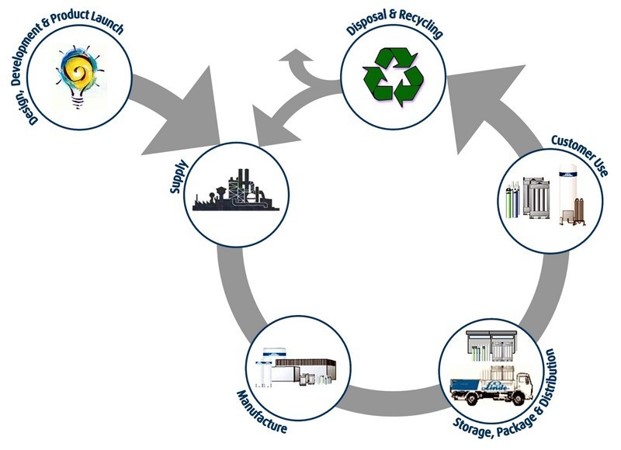
http://www.icl-group.com/sustainability/product-stewardship/Product Stewardship
Product stewardship is a concept in which everyone is involved in the making, selling, buying, or handling equipment (products) takes responsibility for minimizing environmental impact of the equipment at all stages in their life cycle. Designers may need to respond to consumer pressure as more consumers become aware of resource issues and product labelling. 

Picture
Process of product making
Product stewardship examples include organic foods, genetically modified food, bio-plastics, forests, and green/organic cotton.

3.3 Physical Modelling

3.3 Physical Modelling Essential Idea: A physical model is a three-dimensional, tangible representation of a design or system Designers ...